
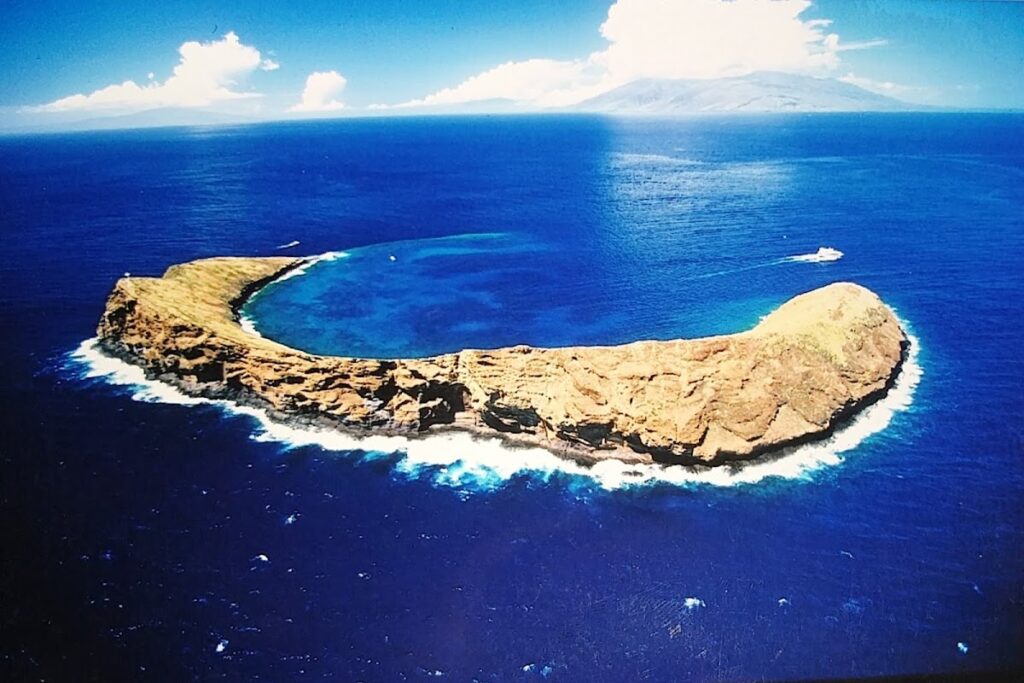
Researchers from UH Mānoa and Pacific Whale Foundation completed initial seawater sampling to determine whether humpback whales measurably fertilize Maui Nui’s waters through a process called the ‘whale pump.’ The multi-year study tracked nutrient levels across the full whale season between Molokini Crater and Māʻalaea Bay.
- 75 seawater samples were collected over 33 weeks spanning the pre-, peak-, and post-humpback whale season around Maui Nui.
- The study tests whether whale waste releases enough nutrients to measurably boost phytoplankton and ocean productivity in Hawaiian waters.
- Hawaii’s humpback whale population has dropped by an estimated 6,000 animals since its 2013 peak, raising concerns about the ecological impact of further decline.
- Climate change could shift whale wintering grounds away from Hawaii, making it urgent to understand what nutrient contribution the whales currently provide.
- Results could influence how marine ecosystems and whale conservation are valued in Hawaii’s broader environmental planning.
Source: Maui Now
Share this article
