
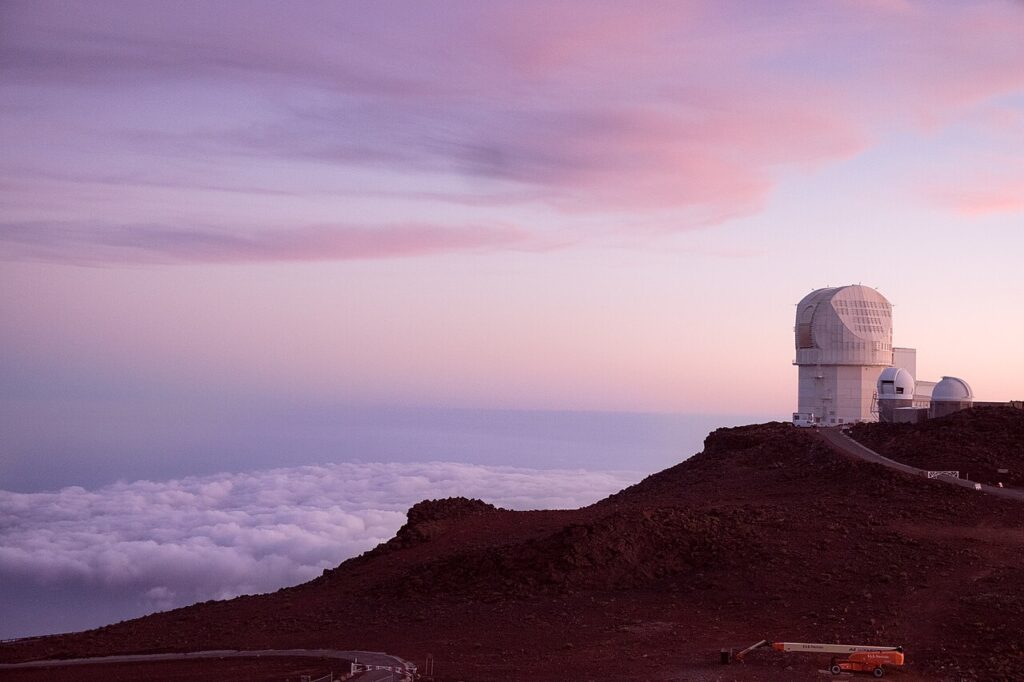
Haleakala is an active volcano that last erupted 400-500 years ago and could potentially erupt again, though scientists expect any future eruption would produce slow-moving lava flows rather than explosive activity.
- Haleakala has erupted at least 10 times in the last 1,000 years, with the most recent eruption occurring between 1480-1600.
- USGS geologists classify Haleakala as active and say an eruption could happen within current lifetimes, though timing is unpredictable.
- Any future eruption would likely produce slow-moving lava flows rather than explosive eruptions due to Haleakala’s shield volcano structure.
- Many visitors are unaware the volcano could erupt again, mistakenly believing it is dormant or extinct.
- The last eruption sent lava from the southwest rift zone to the sea, forming what is now known as La Perouse Bay.
Source: Govtech
Share this article
